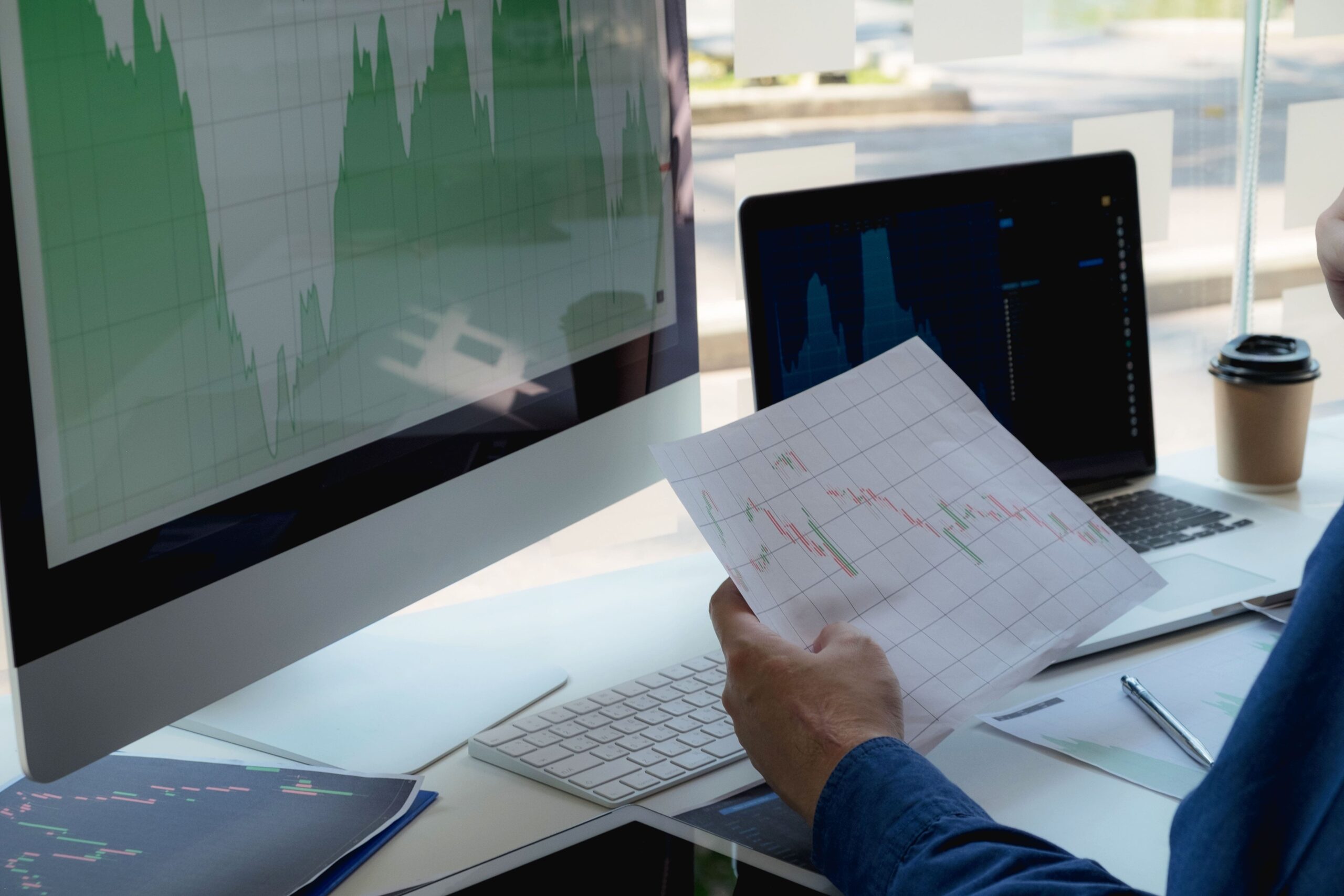
Consistency in trading is not built overnight — it comes from practice, discipline, and reflection. One of the most effective tools for improvement is a trading journal. By recording trades, emotions, and outcomes, traders can identify strengths, weaknesses, and patterns that are otherwise invisible — much like analyzing commodities trading insights to uncover market drivers.
Why Keep a Trading Journal
A journal is more than a simple log. It is a tool for performance improvement and discipline. The main benefits include:
- Clear records of trades for analysis
- Better understanding of emotions and trading psychology
- Identification of recurring mistakes
- Progress tracking toward long-term goals
Here’s why performance tracking in trading should be part of every trader’s routine:
What to Record in a Trading Journal
A good trading journal goes beyond entry and exit prices. It captures the full context of each decision.
Key elements to record include:
- Date, time, and market traded
- Entry and exit prices, stop-loss and take-profit levels
- Position size and leverage used
- Reason for entering the trade (setup, indicator, or news)
- Outcome of the trade in profit/loss terms
- Emotional state during the trade
Note: Including emotions is just as important as recording numbers, since psychology often drives decisions.
How to Review Trades
Recording is only half the process — reviewing trades is where learning happens.
Here’s how to review trades effectively:
- Look for recurring mistakes or missed signals
- Compare actual outcomes with your creating a trading plan framework
- Identify whether risk management rules were followed
- Track win rate, average risk-to-reward, and drawdowns
Tip: Set aside weekly or monthly review sessions to analyze trades; consistency is more valuable than sporadic reviews.
Performance Tracking in Trading
Performance tracking involves measuring results over time to ensure progress is being made.
Important metrics to monitor include:
- Win rate (percentage of successful trades)
- Profit factor (total profits vs total losses)
- Average risk-to-reward ratio
- Maximum drawdown during losing streaks
Note: Metrics reveal whether a strategy works long term, regardless of short-term ups and downs.
Bullet-Point Guide: Building an Effective Trading Journal
Here’s a structured way to create and maintain your journal:
- Use a spreadsheet or a dedicated journal app
- Record both technical details and emotional notes
- Include screenshots of charts for visual review
- Update after every trade, not just profitable ones
- Review and refine strategies based on patterns found
Tip: Screenshots of charts before and after trades provide powerful visual feedback that numbers alone cannot capture.
Turning Data into Improvement
The goal of a trading journal is not just collecting information but using it to make better decisions. By analyzing recurring mistakes, traders can adjust strategies, refine risk rules, and improve discipline. This transforms a trading journal into a roadmap for growth.
Conclusion
Every trader, from beginner to professional, benefits from structured reflection. By maintaining a detailed trading journal, practicing consistent performance tracking in trading, and learning how to review trades effectively, traders can continuously improve. Success comes not only from strategies but also from learning from past performance and applying those lessons with discipline.