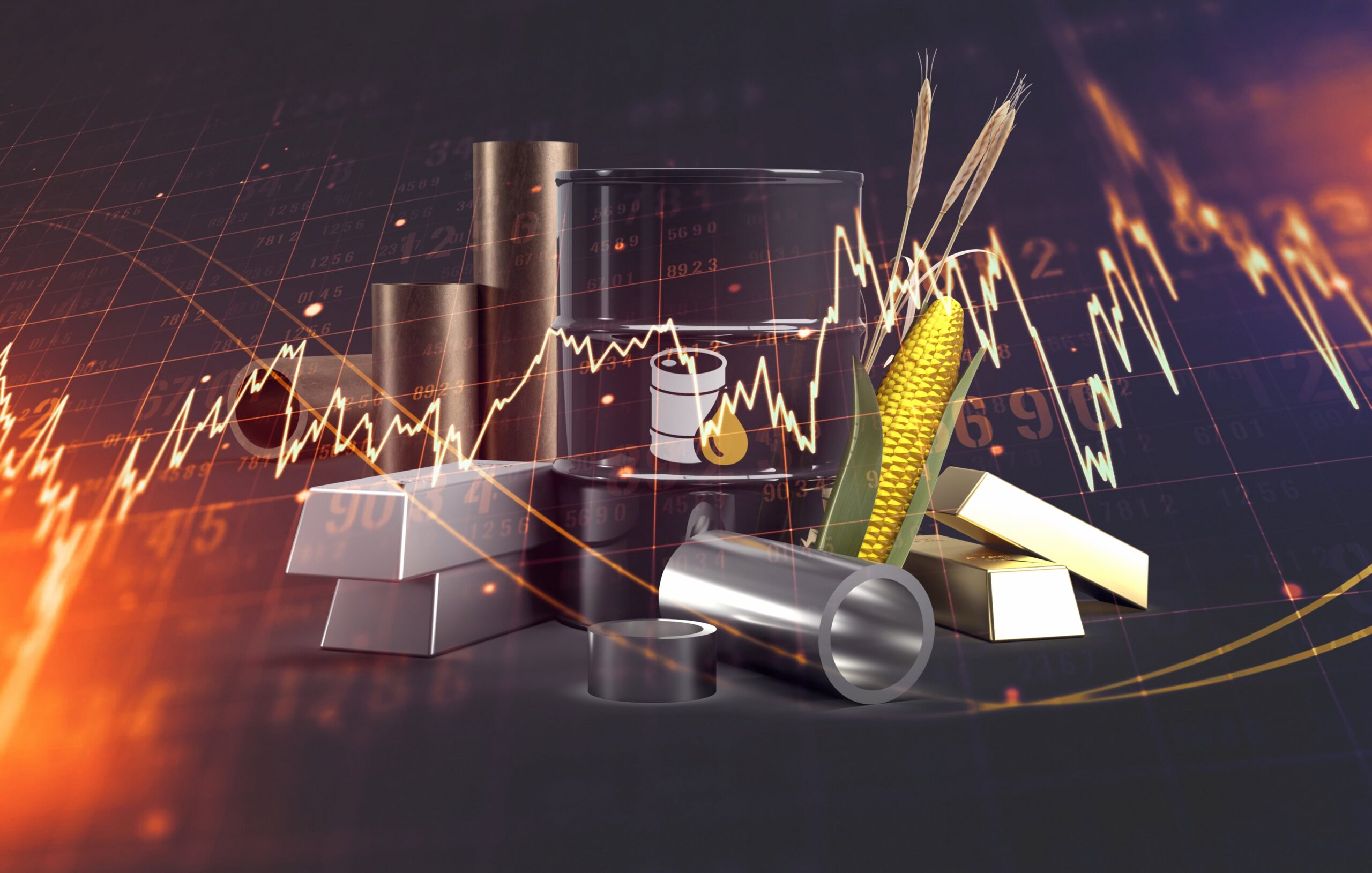
From gold and oil to coffee and wheat, commodities are among the oldest assets traded in financial markets. For beginners, understanding what is commodity trading opens the door to a world of opportunities tied to real, tangible goods. Commodities not only offer profit potential but also serve as a way to diversify investments and hedge against inflation. You can explore live opportunities directly on our commodities trading page.
Keep reading to learn more!
Understanding the Commodity Market
The commodity market is where raw materials are bought and sold. Unlike stocks or forex, commodities are physical goods that serve as the foundation of global trade.
Here are the basic categories of commodities:
- Energy (oil, natural gas, coal)
- Metals (gold, silver, copper)
- Agriculture (wheat, corn, soybeans)
- Livestock (cattle, hogs)
Note: Each commodity is influenced by unique factors such as weather, supply and demand, and geopolitical events.
How Commodity Trading Works
Commodity trading takes place through spot markets, futures contracts, and exchanges. Traders speculate on price movements to profit, while businesses often trade to hedge against risks.
Here’s how commodity trading typically works:
- Traders buy futures contracts to lock in prices for delivery at a later date
- Speculators profit from price fluctuations without taking physical delivery
- Prices are influenced by global supply chains and seasonal trends
- Exchanges like the Chicago Mercantile Exchange (CME) provide regulated platforms
Tip: Beginners should start with futures contracts or ETFs linked to commodities, as they are easier to manage than direct physical ownership.
Why People Trade Commodities
Commodities appeal to both individual and institutional traders for several reasons.
Learn about the main benefits of commodity trading:
- Hedge against inflation as commodity prices often rise when currencies weaken
- Portfolio diversification beyond stocks and bonds
- Potential for high profits during volatile global events, many traders use volatility strategies for commodities to capitalize on sharp price movements.
- Exposure to markets tied directly to real-world demand
Note: Commodity prices can be highly volatile, so traders need strong risk management skills.
Commodity Market Basics
Commodities are influenced by different forces compared to other financial markets.
Here are the key drivers of commodity markets:
- Supply and demand imbalances
- Weather conditions affecting agricultural goods
- Global politics and trade agreements
- Currency fluctuations are impacting export competitiveness
Tip: Watching economic calendars and seasonal patterns can help traders anticipate commodity price movements.
Steps to Start Commodity Trading With Us
Here’s a simple framework for beginners who want to explore commodities on our website:
- Choose a commodity market that aligns with your interests
- Select a reliable broker or exchange offering futures and ETFs
- Learn how supply, demand, and global events influence prices
- Use both fundamental and technical analysis before trading
- Start small and scale up as you gain experience
Note: Beginners should avoid trading too many commodities at once, as each has unique drivers and risks.
Adapting to Commodity Market Conditions
Commodity markets often experience cycles of boom and decline. During inflationary periods, commodities may rise, while oversupply can cause sharp drops. Adapting commodity trading basics to current global conditions ensures strategies remain effective, especially when applying market condition–based strategies.
Conclusion
Commodities remain one of the most dynamic areas of finance. By learning what is commodity trading, understanding commodity market basics, and exploring how commodity trading works, beginners can gain exposure to real-world markets that influence everyday life. With proper knowledge and risk management, commodities can provide both diversification and long-term opportunities.